

A clear-eyed, unsettling tour of human attempts to repair the damage we have made, though its journalism sometimes flirts with schematic gloom. I found it most persuasive when it stayed close to engineers, ecologists, and the stubborn facts on the ground.
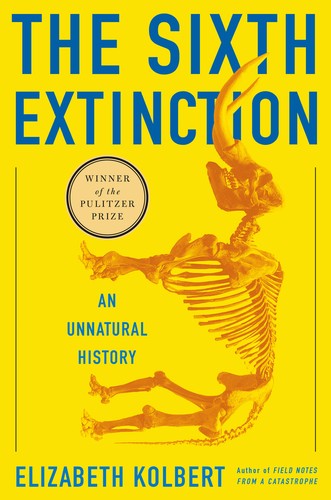
Elizabeth Kolbert has a gift for making environmental catastrophe legible without turning it into mushy moral theatre. In Under a White Sky she pursues a bracingly unfashionable question: what happens when we no longer have the option of leaving nature alone? The answer, of course, is that we are already far beyond that point. From invasive carp to coral rescue, from flood control in the Mississippi basin to geoengineering fantasies, Kolbert follows the improvised, often absurd technologies by which modern societies try to undo previous acts of ecological hubris.
What I admire most is her discipline of observation. She is strongest when she reports from places where theory collides with mud, water, heat, and money. The book’s best sections are not abstract sermons about the Anthropocene, but encounters with people who have to make impossible systems work a little longer: biologists, engineers, field scientists, and policy-makers confronting failure in real time. Kolbert is adept at showing that “solutions” are rarely solutions at all, merely new arrangements of risk. That is an important and bracing corrective to the easy optimism that still clings to much environmental writing.
Yet I do think the book has a recurring weakness: its own coherence can become a trap. Kolbert builds each chapter elegantly, but the cumulative effect is sometimes more thesis-driven than revelatory. The argument—that human interference now extends so far that managing the planet may mean perpetual intervention—arrives early and then keeps returning, not always with fresh enough pressure. Her cool, controlled prose can also slide into a kind of elegant bleakness, where wonder at scientific ingenuity is edged out by a prosecutorial tone. I wanted, at moments, more surprise and more conflict between the technical ingenuity she admires and the moral unease she rightly refuses to suppress.
Still, this is a serious and intelligent book, far better than the usual crisis literature that mistakes panic for analysis. Kolbert does not flatter her readers with consolation, and she does not pretend that “innovation” is a clean escape route from ecological damage. Her refusal to offer a simple cure is precisely her strength. If Under a White Sky is not the most alive or expansive book she has written, it is one of the more exacting meditations on the age of managed nature, and that matters.
Who should read this
Read this if you want environmental writing that takes engineering, ecology, and political reality seriously rather than offering feel-good sustainability rhetoric. It will suit readers who prefer evidence-led reportage to inspirational climate discourse.
A personal note from Silva
I admired the book more than I loved it: intellectually sharp, morally sane, and occasionally too neat for the mess it describes. Still, I would rather read Kolbert’s disciplined pessimism than another round of green optimism unsupported by anything as inconvenient as data.
Conversation(0)
Join in — no account needed. A name and email are all it takes. Your email is never shown publicly.